

Skip to content

FINANCING FOR LOGISTICS

Capital Behind Every Delivery

Logistics businesses must maintain vehicles, equipment, employees and operating capacity to fulfill customer commitments. Freight and service revenue may be collected only after substantial expenses have already been incurred, so even a well-run operation can find its cash tied up between the work and the payment.

Great Elm Commercial Finance provides asset-based lending to established middle-market businesses, including logistics companies with a solid base of receivables and equipment. We look at your team and your assets, and we focus on speed and certainty of execution.
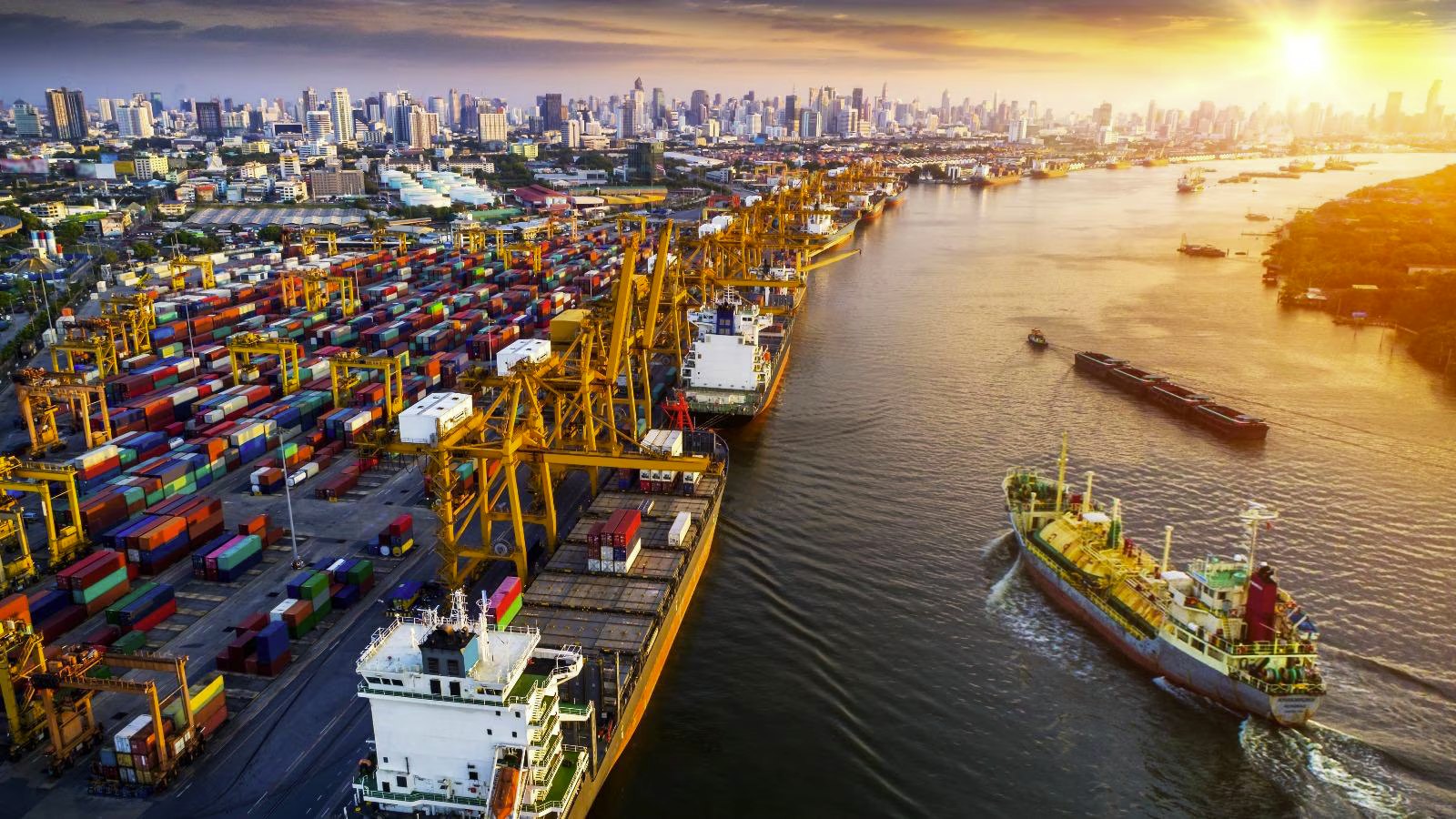

Aerial view of a container port with cranes and cargo ships at sunset

INDUSTRY CHALLENGES

Cash-Flow Demands Across Freight Operations

Moving freight means paying for the work before the work is paid for. Fuel, labor, maintenance and equipment draw on cash well ahead of customer settlement, even when volume is strong.

These are the pressures that most often lead logistics companies to look at asset-based financing.

Fuel, driver pay, carrier costs and routine maintenance come due as freight moves, often ahead of customer settlement. Steady liquidity keeps capacity on the road and commitments to drivers and carriers current while invoices are still open.

Invoices may be paid only after proof of delivery, audit and approval, so the time from delivery to cash can run well beyond the time of the work. Longer terms from larger customers stretch that gap further.

Vehicles and material-handling equipment can create periodic major costs, such as repairs, replacements and upgrades, that do not line up with incoming cash. Planning for them without straining operating liquidity is a constant balancing act.

When a few customers account for much of the freight or service revenue, a slow payment or a lost account has an outsized effect on cash flow and on the receivables available to support borrowing.

Volumes shift with seasons and customer demand, while capacity does not scale up or down on the same schedule. Adding accounts, routes or facilities requires investment before the related receivables are collected.

Smiling truck driver seated in the cab of a commercial truck

WHO WE FINANCE

Logistics Operators We May Finance

We work with established logistics businesses that have strong management and assets we can lend against. Typical borrowers include:

  • Established logistics providers: businesses with commercial receivables from freight and service customers.
  • Asset-owning transportation and fleet operators: carriers and fleet operators with vehicles and equipment that can support secured financing.
  • Warehousing, fulfillment and third-party logistics firms: businesses with qualifying business assets and receivables.

Financing suitability depends on the operator's scale and collateral.

$5MM–$500MM

Typical Annual Borrower Revenue

Financing availability and eligibility depend on the individual transaction, eligible collateral, and underwriting requirements.

$5MM–$30MM

Typical Target Loan Size

A typical target, not a limit. Loan size depends on the individual transaction, eligible collateral, and underwriting requirements.

FINANCING APPLICATIONS

Capital for Freight, Fleet and Expansion

Logistics businesses seek financing to bridge the gap between delivery and collection, to invest in the assets that move freight, and to take on larger customers.

Cash flow

Manage Operating Cash Flow

Where invoices are eligible, a receivables-based line can support payroll, fuel and operating costs between service delivery and customer collections.

Assets

Invest in Productive Assets

Secured term financing can support eligible vehicles, equipment or facilities, or refinance existing obligations, where valuation and liens permit.

Capacity

Expand Service Capacity

Larger customers, new routes, added facilities or an acquisition can require capital before revenue follows. Each need is reviewed transaction by transaction.

RELEVANT FINANCING SOLUTIONS

Financing Solutions for Logistics Companies

A Ledgered Line of Credit may provide revolving borrowing supported by eligible commercial receivables, helping bridge the time between delivery and payment.

Secured Term Loans can finance qualifying equipment and other business assets. Other structures can be evaluated for distinct transactions, and suitability always depends on your collateral, borrowing needs and underwriting.

Recent Deals

Financing deals that move businesses forward.

Explore our recent financing transactions and discover how we’re helping businesses access the capital they need to grow and succeed.

FREQUENTLY ASKED QUESTIONS

Logistics Financing FAQs

Answers to common questions from logistics companies about asset-based financing, collateral and fit.

No. Freight factoring is not a Great Elm product. Great Elm provides asset-based lending, including a Ledgered Line of Credit and Secured Term Loans, for qualified borrowers.

Logistics companies provide transport and warehousing services for goods, while distribution and wholesale businesses own and sell product inventory. The collateral and cash-flow profiles differ, so each is reviewed on its own terms.

Discuss Financing for Your Logistics Operations

From equipment investment and working capital to expansion or refinancing, Great Elm can evaluate your available assets and financing objectives.

Contact Our Financing Team

Tell us about your business and what you’re looking to finance. A member of our team will follow up to discuss your needs and potential next steps.