

Skip to content

CHAPTER 11 FINANCING

Critical Financing During Chapter 11

A business operating under Chapter 11 may need capital for payroll, suppliers, inventory and other essential expenses, yet existing credit arrangements and restrictions on cash can complicate access to liquidity. Debtor-in-possession (DIP) financing is a potential court-supervised financing arrangement made during the case to fund those needs.

Great Elm Commercial Finance structures DIP facilities around the company’s assets, operating budget and the court’s requirements, so the business has liquidity to stabilize while it pursues a reorganization plan or a sale.

A team reviewing financial reports and charts around a conference table

FINANCING OVERVIEW

Understanding DIP Financing

Chapter 11 puts several constraints on the same cash need: payroll, suppliers and inventory must keep being paid, access to unrestricted cash is limited, existing secured creditors hold rights, and operating budgets and financing deadlines apply. DIP financing is a financing structure used inside the case to address them, not a type of collateral.

Whether a facility is approved, and the protections it carries, depend on the financing arrangement and the court’s authorization. Availability, terms and eligibility depend on the individual case, the company’s assets and the bankruptcy court’s approval.

CHAPTER 11 FINANCING

For Debtors in Possession

New financing for a business operating under Chapter 11 protection.

COURT AUTHORIZATION

Approved by the Court

Borrowing authority comes from the applicable court order.

OPERATING USES

Permitted Operating Uses

Proceeds support the uses the approved budget and court order allow.

COLLATERAL & PROTECTIONS

Case-Dependent

Collateral, liens and creditor protections depend on the financing terms and the court’s authorization.

KEY BENEFITS

Preserving Business Value During Restructuring

A Chapter 11 case puts pressure on cash, vendor relationships and management’s time. Court-authorized financing can give the business stable funding while it works through the restructuring.

Protections, priority and permitted uses are set by the financing documents and the court’s order in each case.

New financing can fund payroll, suppliers, inventory and the other weekly costs of running the business. Proceeds are used as the approved budget allows, so the company can keep serving customers while the case proceeds.

Keeping production, employees and customer relationships in place can help preserve the going-concern value that creditors, buyers and other stakeholders care about, rather than letting that value erode while cash runs short.

Stable funding gives management and its advisors room to negotiate with creditors, run a sale process or develop a plan of reorganization instead of making decisions under immediate liquidity pressure.

A court-approved budget can set aside capital for obligations the business must meet to keep operating, such as payroll, critical vendors and professional fees, subject to the terms of the financing and the court’s order.

HOW DIP FINANCING WORKS

How Court-Approved Financing Supports Chapter 11

Every Chapter 11 case is different and the court controls the timing. The steps below describe a representative process, not a promised sequence or outcome.

  1. Assess Operating Liquidity

    Review immediate cash requirements, forecasts, available collateral, and financing objectives.

  2. Structure the Proposed DIP Facility

    Establish proposed borrowing terms, operating budgets, lender protections, and financing documentation.

  3. Seek Interim Court Authorization

    Submit the financing request for court consideration. An interim order, if granted, may authorize limited initial borrowing.

  4. Obtain Final Financing Approval

    Following the applicable notice and hearing process, a final court order may authorize the remaining facility on approved terms.

  5. Fund Operations and Monitor Compliance

    Manage authorized advances, budgets, reporting, and financing milestones during reorganization or a potential sale.

The applicable court order governs borrowing authority. Great Elm’s participation in any case depends on credit approval and court approval.

WHEN IS IT THE RIGHT FIT?

Financing for Businesses Navigating Chapter 11

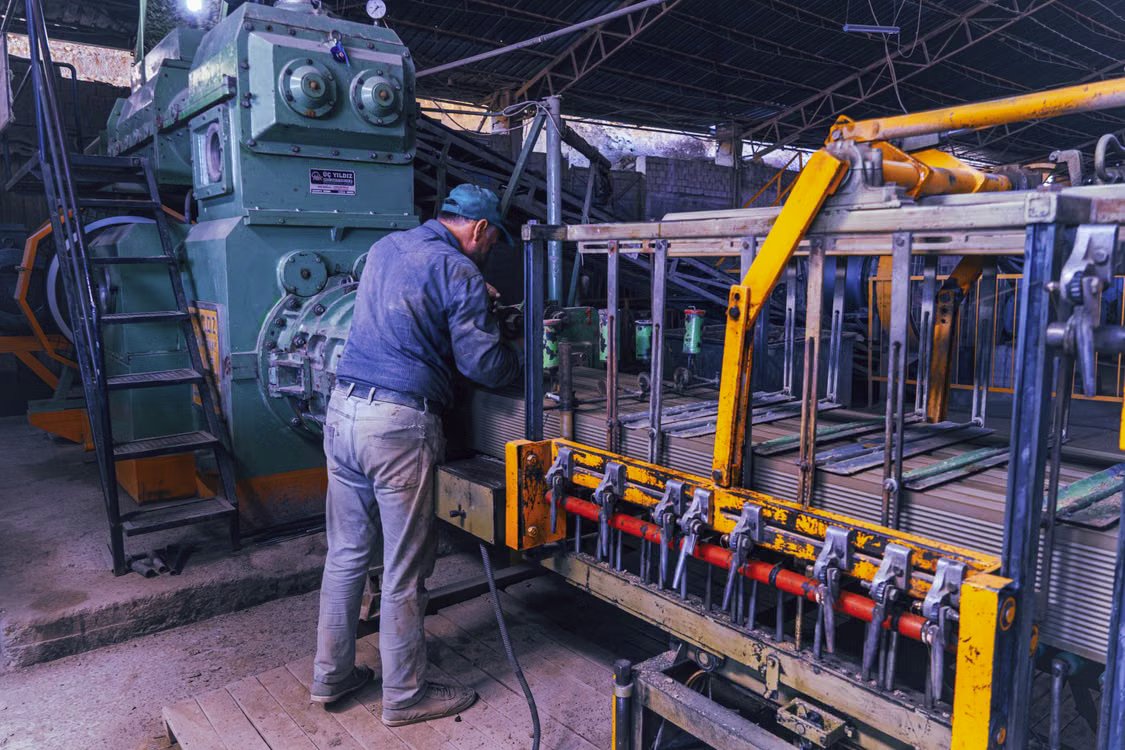
A worker operating industrial machinery on a production line

Funding Essential Operations During the Case

When cash on hand and cash collateral will not cover payroll, critical vendors and ongoing operating costs, DIP financing can provide court-approved funding to keep the business running while it restructures. Availability depends on the proceeding and the court’s orders.

Supporting a Potential Reorganization

Businesses that intend to emerge from Chapter 11 need predictable funding while they negotiate with creditors and develop a plan. A court-approved facility with a clear budget can show creditors and vendors that operations are funded.

Providing Liquidity During a Section 363 Sale

When the best path is a court-approved sale of the business or selected assets under Section 363, DIP financing can provide liquidity while the sale process is conducted, helping to preserve the value buyers are paying for. Outcomes remain subject to the relevant proceedings and orders.

FREQUENTLY ASKED QUESTIONS

DIP Financing Questions

Common questions about court approval, collateral, creditor rights and financing a company during Chapter 11.

DIP financing is a loan made to a company operating under Chapter 11 protection. It provides funds to continue operations during the case. The company proposes the facility, and the bankruptcy court decides whether to authorize it.

A company operating under Chapter 11 that can show a credible path to reorganizing or selling the business may be considered. A lender reviews the company’s operating requirements, cash forecasts, available collateral, proposed budget and restructuring plan, and the financing still requires court authorization.

The company is under court supervision, so new borrowing generally needs the bankruptcy court’s authorization after notice to creditors and a hearing. Creditors and any official committee can object or negotiate, and Great Elm’s participation also depends on credit approval.

Where applicable, an interim order may authorize limited initial borrowing so urgent needs can be met while creditors receive notice. After the notice and hearing process, a final order may authorize the remaining facility on approved terms. The applicable court order governs how much can be borrowed and on what terms.

Often yes. Depending on the case and the court’s order, a DIP lender may receive liens on assets that are not already pledged, or in some circumstances liens that rank ahead of existing ones. Existing lenders may object, and the court considers whether their interests are adequately protected.

Cash collateral is cash in which existing lenders hold a security interest, so a company in Chapter 11 generally cannot use it freely without consent or court authorization. When that cash is restricted or not enough, DIP financing can provide additional liquidity, subject to the court’s orders.

It may. The court can grant a DIP lender administrative priority or liens, but priority is not automatic. It depends on the financing arrangement and the court’s authorization in each case.

Creditors and any official committee receive notice and can object to or negotiate the proposed financing. The court weighs those positions, and terms may be adjusted before final approval.

Proceeds are used as the approved operating budget allows, typically for payroll, suppliers, inventory, operating expenses and restructuring costs. The company reports against the budget, and the financing agreement may restrict other uses.

Yes. DIP financing is commonly used to fund a company through a Section 363 sale or while it develops a plan of reorganization. At the end of the case it is normally repaid or refinanced, and whether exit financing is available depends on the case.

Discuss Your Chapter 11 Financing Needs

Whether your business is preparing for or operating under Chapter 11, management and restructuring advisors can describe the proceeding, anticipated liquidity needs, financing timeline and available collateral, and Great Elm can evaluate financing opportunities alongside your legal and restructuring advisors.

Contact Our Financing Team

Tell us about your business and what you’re looking to finance. A member of our team will follow up to discuss your needs and potential next steps.