Skip to content

ASSET-BASED FINANCING

Financing Structured Around Your Assets

A business may hold substantial receivables, inventory, machinery, equipment, or eligible real estate and still face limits under conventional lending criteria. A Secured Term Loan allows those eligible assets to support financing for a defined capital requirement, subject to underwriting and the repayment terms agreed in the credit agreement.

Great Elm Commercial Finance structures these loans for middle-market businesses. Our team looks at the strength of your collateral alongside your operating circumstances and the purpose of the financing.

Two industrial workers in hard hats reviewing inventory between large rolls of steel coil

COLLATERAL & FINANCING

Assets That Can Support Your Financing

Great Elm considers four categories of collateral. Eligibility and valuation determine which assets can support a loan; the amount a borrower can actually draw is a separate result of advance rates, the transaction, and underwriting.

Accounts Receivable icon

Accounts Receivable

Eligible outstanding customer invoices can support secured financing based on their quality, collectibility, and underlying customer relationships.

Inventory icon

Inventory

Raw materials, work-in-process inventory, and finished goods may provide collateral value depending on their eligibility, marketability, and valuation.

Machinery & Equipment icon

Machinery & Equipment

Manufacturing equipment, machinery, and other eligible operating assets may support financing based on their appraised value and condition.

Eligible Real Estate icon

Eligible Real Estate

Certain real estate assets, including qualifying healthcare-related properties, may support secured financing depending on the property, transaction, and lending structure.

KEY BENEFITS

The Advantages of Asset-Backed Capital

The benefits of a Secured Term Loan come from the collateral and the financing agreement. They do not include a guarantee of lower pricing or fewer covenants, which depend on the transaction.

Equipment, expansion, an acquisition, or another strategic initiative can require a large sum before it begins to produce cash flow. A defined facility amount, supported by eligible assets, lets the borrower plan that investment against a known repayment schedule.

A maturing facility or a change of lenders can leave a business needing a new financing partner. Collateral that has already been built into the balance sheet can give a new lender a basis to evaluate, and the loan is sized and documented around the existing obligations being replaced.

Ownership changes, restructuring, and uneven recent performance can narrow conventional options even when valuable assets remain. Underwriting that weighs collateral alongside the broader circumstances may keep a structured option open.

Collateral type, existing obligations, repayment needs, and objectives differ between borrowers. Loan amount, collateral requirements, and repayment terms are negotiated for the specific situation, not drawn from a fixed product template.

HOW IT WORKS

How Secured Term Financing Works

A Secured Term Loan provides a defined amount of financing that is repaid on an agreed schedule. Unlike a revolving line of credit, repaying principal does not automatically restore borrowing availability. Four stages take a request from need to a funded, monitored facility.

  1. Evaluate Financing Needs

    Great Elm reviews the intended use of funds, the company’s financial circumstances, and its existing obligations, including current lenders and liens, to understand what the financing must accomplish.

  2. Assess Eligible Collateral

    Receivables, inventory, machinery, equipment, or real estate are evaluated through financial review, collateral reporting, and appraisals where applicable. Ownership, condition, marketability, and any existing liens affect what each asset can support.

  3. Structure and Fund the Loan

    Following underwriting, Great Elm sets the loan amount, collateral requirements, repayment provisions, and other terms. Once documentation and closing requirements are satisfied, the loan is funded under the executed agreements.

  4. Repay and Maintain the Facility

    The borrower repays on the agreed schedule and meets the facility’s reporting, collateral monitoring, and compliance requirements for the life of the loan.

FINANCING APPLICATIONS

Financing for Growth and Business Transitions

A defined secured facility fits situations where the capital need is specific and the assets to support it already exist. Each circumstance below shows why that structure, rather than a revolving one, may be worth evaluating.

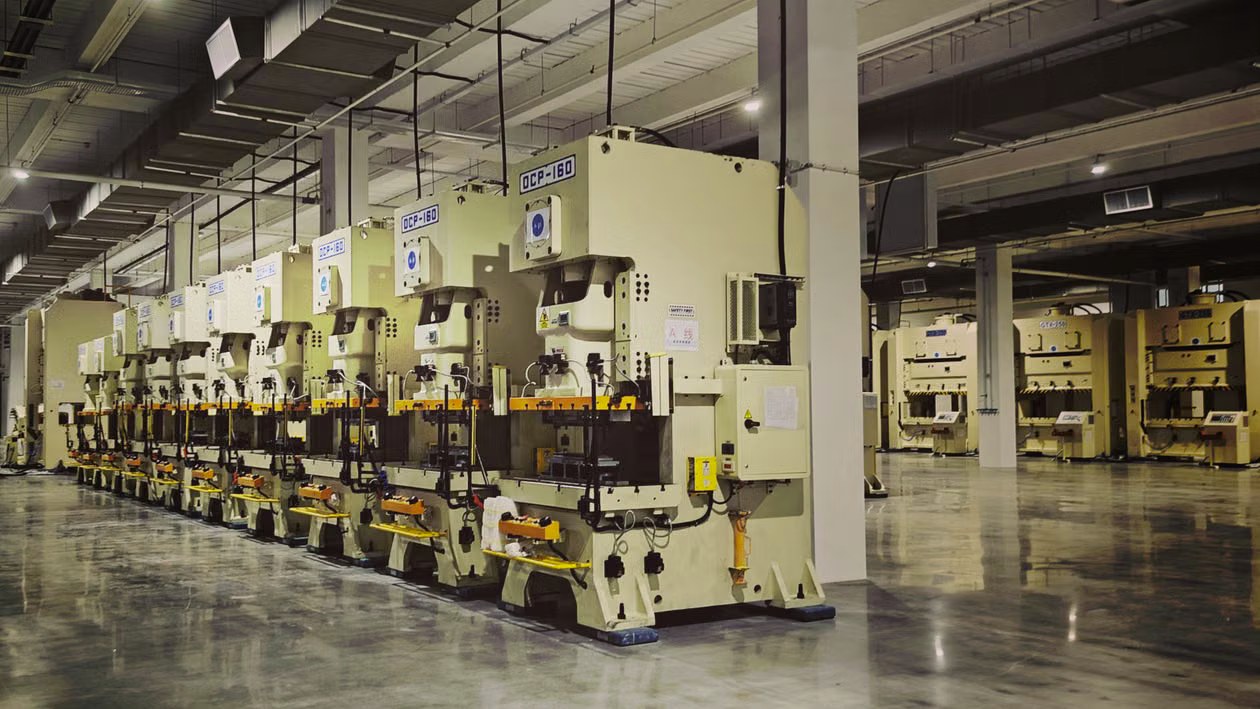
Rows of industrial presses on a factory floor

Finance Growth and Major Business Investments

Expanding operations, buying equipment, and pursuing strategic initiatives often require substantial capital before the investment starts generating cash flow.

Because the amount and the use of proceeds are known in advance, a defined facility supported by eligible assets can be sized to the project and repaid on an agreed schedule. Great Elm assesses the opportunity against available collateral and operating requirements.

Refinance Debt or Transition Between Lenders

A maturing credit facility, a changing lending relationship, or a debt structure that no longer fits can create a need for a replacement lender.

A secured term loan can refinance the existing obligations in one defined step. Great Elm evaluates collateral positions, repayment obligations, and the requirements of the proposed transaction, including how existing liens are addressed.

Access Capital During Financial Transitions

Financial pressure, ownership changes, or restructuring can leave a company with valuable assets despite uneven recent performance.

Where eligible collateral and the broader circumstances support a viable arrangement, a secured term loan can provide capital through the transition. Great Elm also offers specialized solutions for restructuring and other complex capital needs.

Recent Deals

Financing deals that move businesses forward.

Explore our recent financing transactions and discover how we’re helping businesses access the capital they need to grow and succeed.

FREQUENTLY ASKED QUESTIONS

Secured Term Loan FAQs

Understand how asset-based secured term loans are structured, which assets may qualify as collateral, and what businesses should consider when evaluating financing.

Collateral eligibility and valuation establish which assets can support a loan and what they are worth. The amount actually available is then determined by advance rates, which vary by collateral type, together with the transaction structure and underwriting. Eligible accounts receivable typically support a higher advance rate than inventory, equipment, or real estate.

A secured term loan generally provides financing under an agreed repayment structure, often for a significant investment, acquisition, or refinancing need. A Ledgered Line of Credit is a revolving facility primarily supported by eligible accounts receivable. Borrowing availability can change as receivables are generated, collected, and evaluated under the borrowing-base requirements. The appropriate structure depends on the borrower’s financing objectives and available collateral.

Eligible collateral may include accounts receivable, inventory, machinery, equipment, and certain real estate assets. Collateral suitability depends on factors such as ownership, asset quality, marketability, valuation, and existing liens. Great Elm determines eligible collateral through its underwriting and due-diligence process.

Advance rates and loan-to-value ratios vary by collateral type and depend on each asset’s quality, marketability, and appraised value. They are set through underwriting for each loan.

Loan terms are established in the credit agreement and depend on the collateral, the borrower’s circumstances, and the transaction. Maturity, amortization provisions, and repayment requirements are negotiated for each financing.

A material decline in collateral value may affect compliance with the facility’s requirements. Depending on the credit agreement, this could result in additional reporting, collateral requirements, repayment obligations, or other adjustments. Great Elm evaluates collateral and monitoring requirements according to the structure of each loan.

Yes. Depending on the transaction, secured term loans may be structured alongside revolving credit facilities or other permitted financing arrangements. Great Elm’s broader offering includes Ledgered Line of Credit, Unitranche Loans, and Junior Capital Loans. The suitability and relationship between facilities depend on collateral, lien priorities, existing obligations, and the applicable loan documents.

Yes. Existing financing agreements may contain lien restrictions, covenants, consent requirements, or repayment provisions that must be addressed before entering a new secured lending arrangement. Great Elm evaluates existing obligations and coordinates applicable requirements during the financing process.

Businesses with substantial eligible collateral may have financing opportunities even when recent financial performance or balance-sheet conditions make conventional borrowing difficult. Eligibility is not determined by collateral value alone. Great Elm also evaluates management experience, business viability, repayment prospects, financial circumstances, and the proposed transaction.

Depending on the structure, borrowers may be required to provide periodic financial statements, collateral reports, borrowing-base information, or other documentation. Appraisals and field examinations may also be part of ongoing monitoring. The reporting requirements and frequency are established in the financing agreement.

Costs depend on the transaction and are established in the credit agreement. Beyond interest, they may include lender fees and third-party expenses, such as legal and appraisal costs, connected with evaluating and documenting the collateral.

Let’s Discuss Your Secured Financing Needs

Tell us about the capital requirement, the assets available to support it, and any existing financial obligations. Great Elm’s team can help evaluate those assets and explore financing structures suited to your objectives.

Contact Our Financing Team

Tell us about your business and what you’re looking to finance. A member of our team will follow up to discuss your needs and potential next steps.